

March 12, 2025 | by Melissa Ebbers
Missionary Dreams
Even before Tim and I married, we dreamed about serving on the mission field. In 1976, we attended InterVarsity’s mission conference and heard challenging talks by missionaries like John Stott, Helen Roseveare, and Elisabeth Elliot. When asked if we would give our lives to God’s missionary call, we separately pledged to respond if the Lord called us overseas.
Everyday life distracted us: we found jobs, married, had kids. Our interest in missions manifested itself through serving on church mission committees and short-term mission trips. In 1999, we joined Christ Memorial Church in Vermont and went to Romania, then to Cameroon to help construct a church building for a pastor we met through NETS.
The Call to Cure
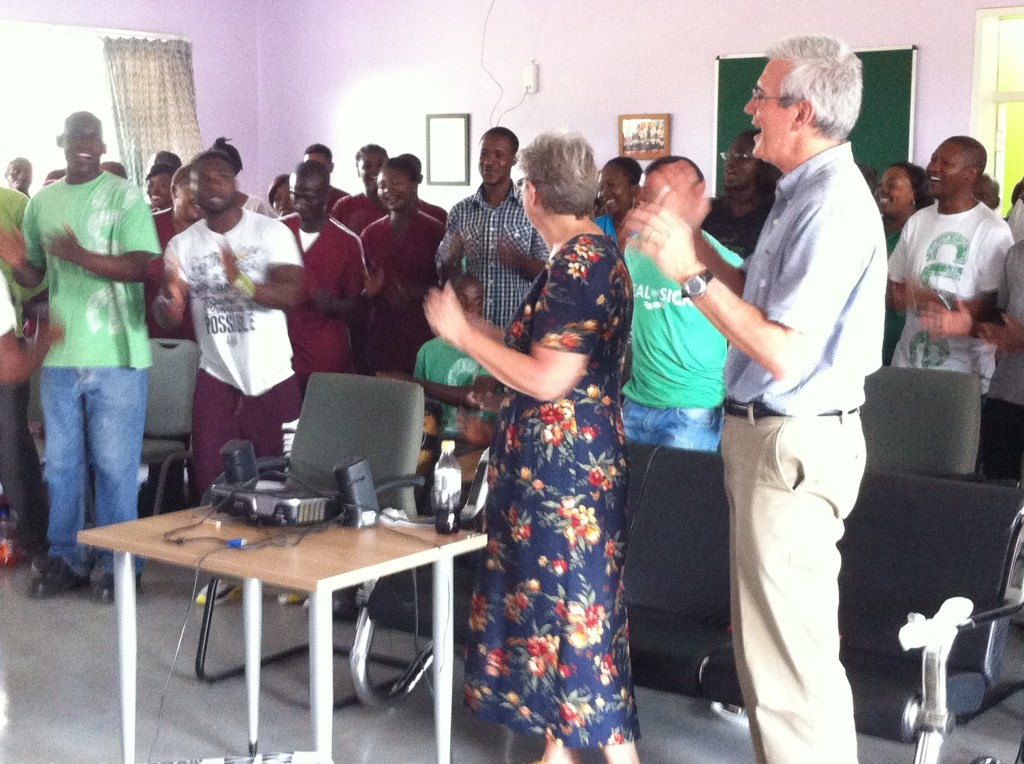
Skip ahead to 2011. Our kids had moved out, retirement was in sight, and the call to missions came. A friend who worked for Cure International asked Tim if he’d consider going overseas.
Cure’s mission is to ”heal the sick and proclaim the kingdom of God” (Luke 9:2). Their hospitals provide free surgical care to children with disabilities. In Zambia, patients’ families provide food, clothing, and bed linens. Cooking fires surround the hospital. At Cure hospitals, a guardian helps with personal care, but the hospital provides meals, laundry, and housing for both patient and guardian. Each hospital also has spiritual staff who minister through prayer, evangelism, and worship services.
Tim didn’t initially feel qualified to serve. Missions was for pastors, or teachers, or doctors. But our friend encouraged Tim to broaden his view: Cure hospitals needed managers! Tim’s career at IBM equipped him for this mission field.
We also liked their two-pronged approach of using medical service to advance God’s kingdom. When a child is hurting, a parent has “ears to hear” the good news of the gospel. At discharge, the spiritual staff recommended gospel-preaching churches near the child’s home village.
We committed to three years of service in Zambia. We left our jobs, spent two weeks in cross-cultural training, packed up in October 2012, and moved from Vermont to Lusaka, the Zambian capital.
Hitting the Ground Running
We were picked up at the airport, transported to a guest house to shower and nap for an hour, then to the hospital to start work. The hospital had not had an executive director for about six months, and Tim had a lot to do!
My job was to support Tim and manage our household. I believed that was what God had for me, and I also didn’t want to take a job from a Zambian. Although I didn’t formally work for the hospital, I managed the guest house, hosted college groups on short-term mission trips, and did much behind-the-scenes work. I even became human resources director for two weeks every year – that was a challenge!
Because of the language barrier, we did not share the gospel at the hospital. Instead, I listened with a translator as the spiritual team, who spoke the languages of the many tribes, interacted with patients and guardians. Then the translator and I would pray for their souls.
Risk and Reward
Lusaka, with 2.6 million people, did not have reliable electricity and water. It was hot, dusty, noisy, and smoky. The (not very) large grocery stores had short hours and guards armed with machine guns at the end of every aisle. Foods and flavors were unfamiliar, and inventory was intermittent, with fruits and vegetables available seasonally. Items imported by ‘refrigerated’ trucks were often held up at the borders for days, engines off, with no refrigeration after all.
Restaurants, all open-air, had the same unreliable electricity and water and were subject to spoiled food due to lack of refrigeration or improper cleaning. Eating out meant exposure to malaria and food poisoning. Because we were there long-term, we did not take anti-malarial drugs. We slept under a mosi (mosquito) net and limited our time outside in the evenings.
Although we faced risks, our lives were busy, productive, and purposeful. We were in Zambia to serve the kingdom of God. That leant a sense of focus and a willingness to sacrifice that was exhilarating.

People First
Zambians focus on relationships rather than tasks. At the hospital, I never walked between people talking, but waited for them to finish or give me permission to pass. Similarly, I couldn’t just greet someone then move down the hall. A greeting that took 10 seconds in the US could extend to 10 minutes. It began, “Hello! How are you and your family?” Their answer would include extended family, even those miles away. The next question, “How did you sleep?,” was asked sincerely and answered in full. These same questions were then asked of me. Imagine repeating this over and over!
Timeliness, appointments, and schedules were flexible, but social interactions were important and expected. In Zambia, I learned to honor and treasure time with people, be intentional in my interactions, and respect others’ interactions.
Another difference was the atmosphere of thankfulness. Our first Christmas there, when asked to share their favorite traditions, each person mentioned being with extended family and going home to their village. There was no mention of cookies, decorations, or gifts. Although people were ambitious and wanted to improve their living situation, few were greedy or materialistic. I was ashamed of how many of my traditions focused on possessions rather than contentment.
Muddy Gospel
I also learned the importance of a good grasp of the gospel. Zambia considers itself a Christian nation. However, faith there is a mile wide and an inch deep. Many who identify as Christian practice tribal religion. A person may go to church Sunday morning, then consult the witch doctor that afternoon.
The prosperity gospel is also strong. If someone is poor or ill, it is assumed they are not faithful enough or holy enough to receive blessings from God. Traveling preachers charge admission, for special prayer, or to bless an item of clothing, all to change a person’s finances or health.
Along with muddy theology there is a works-righteousness mentality. Nominal Christians are charitable, behave well, and have strong communities. They believe good deeds cancel sin and enable their entrance into heaven. We had numerous conversations with hospital employees who couldn’t grasp salvation by faith alone: “For by grace you have been saved through faith. And this is not your own doing; it is the gift of God, not a result of works, so that no one may boast” (Ephesians 2:8-9).
Eternal Thanks
In Zambia, I learned to treasure relationships rather than tasks, to be thankful in all circumstances, and to be especially thankful for a church that teaches that salvation is the work of God, not anything I have earned. The Lord was, and is, kind to use us, and our faith grew tons. I wouldn’t trade those years for anything!
About Melissa Ebbers
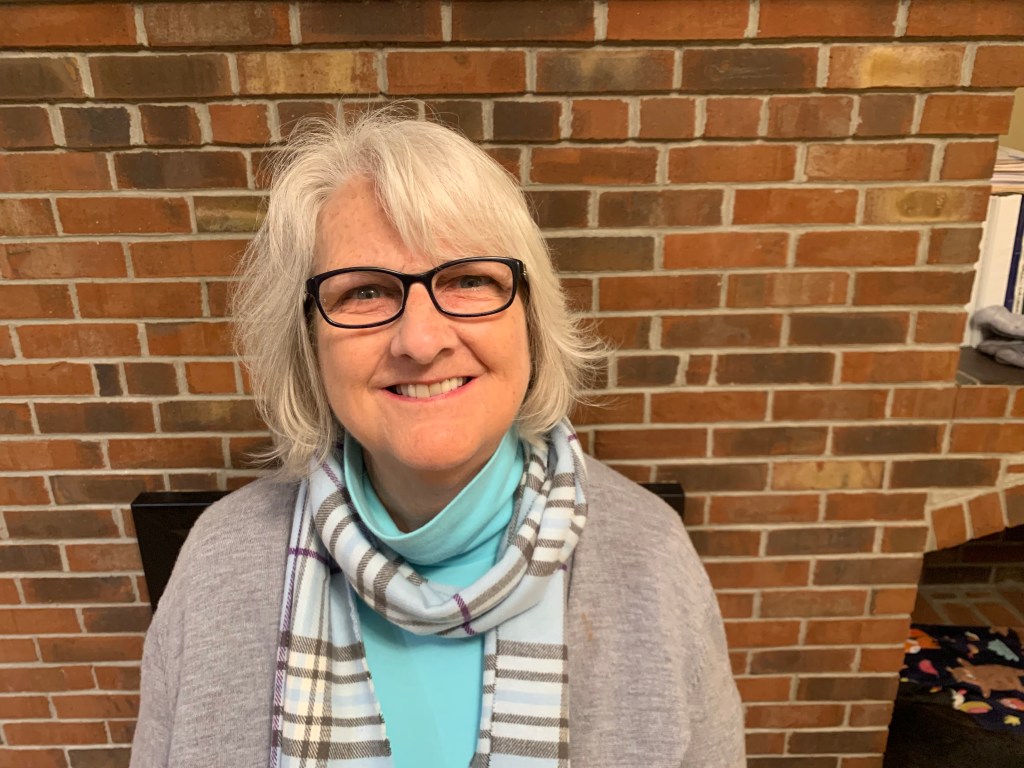
Melissa and her husband, Tim, were part of the launch team for Redeeming Grace Church in Georgia, Vermont, and have served there ever since. They have been married 46 years, and have two married sons and five darling grandchildren, toddler to pre-teen. Lis loves reading, spending time with women in her church, and crafting, especially knitting, card making, and counted cross stitch.
 Worth Writing